Turning Linear Search into a Performant Data Processing Engine
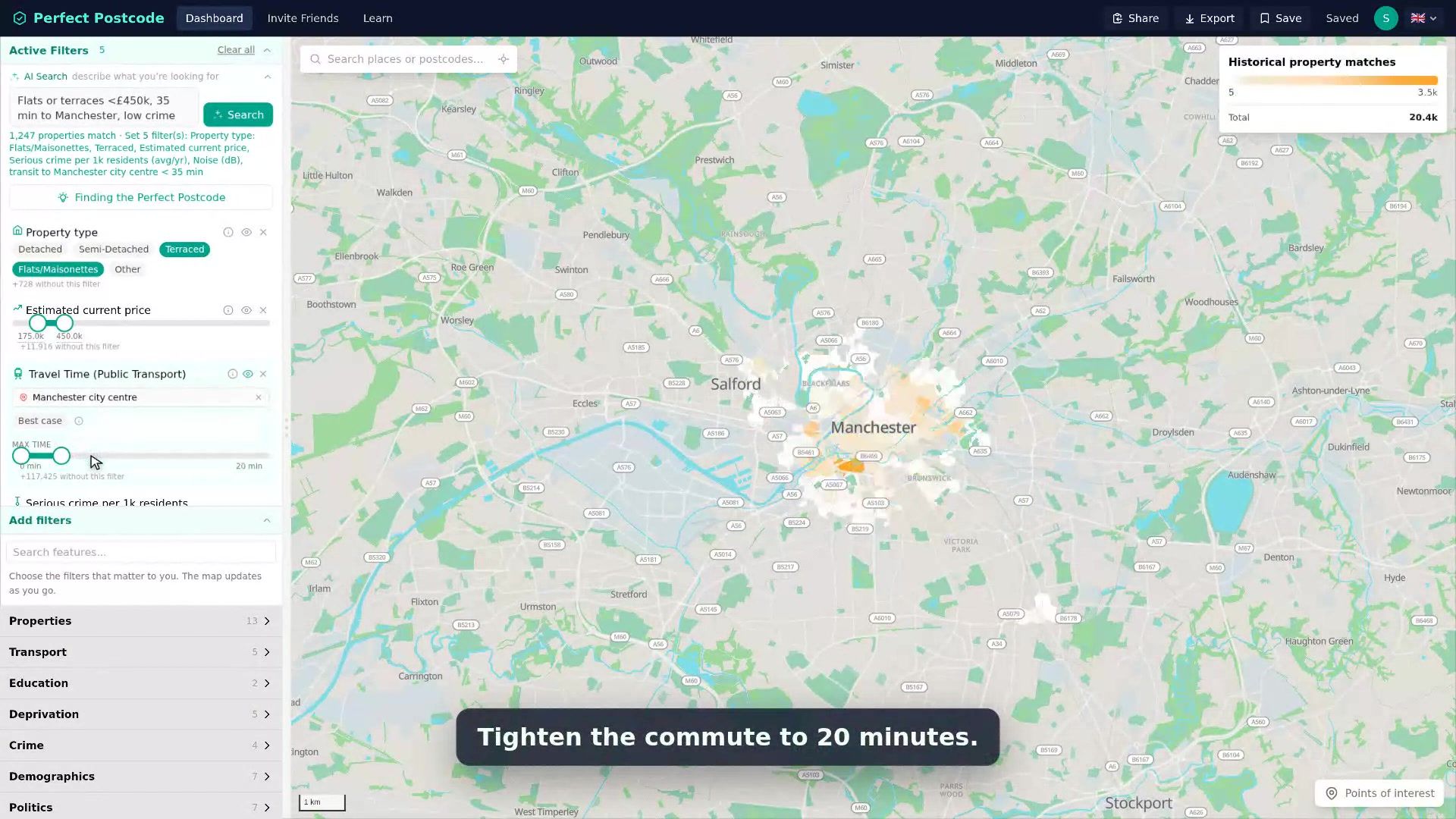
Filter 25 million property records by 87 criteria in under 100 ms (p99) to help decide where to buy a home.
Stack: Rust · Axum · Polars +6 more
https://schmelczer.dev/

I'm a software engineer and tech lead in London. At Palantir, I build developer tools, working with customers, setting technical direction, and writing code with my team. Outside work, I follow my curiosity into data, graphics, and hardware, and write about what I learn.
Filter 25 million property records by 87 criteria in under 100 ms (p99) to help decide where to buy a home.
Stack: Rust · Axum · Polars +6 more
Both sides' edits survive without conflict markers, and even the cursors get shifted. Available as a library for Rust, TypeScript, and Python.
Stack: Rust · WebAssembly · Python +2 more

Combining Immich, Home Assistant, and an e-ink screen for truly personal tech.
Stack: Python · Raspberry Pi Zero 2 W · Waveshare 7.3" 6-colour panel +5 more

A WebGPU physarum simulation where you can control millions of agents with your paintbrush and watch them bring your drawings to life.
Stack: TypeScript · WebGPU · WGSL +1 more

A shell script so simple I'm willing to trust it with my most precious data.
Stack: Bash · BorgBackup · Btrfs +4 more